
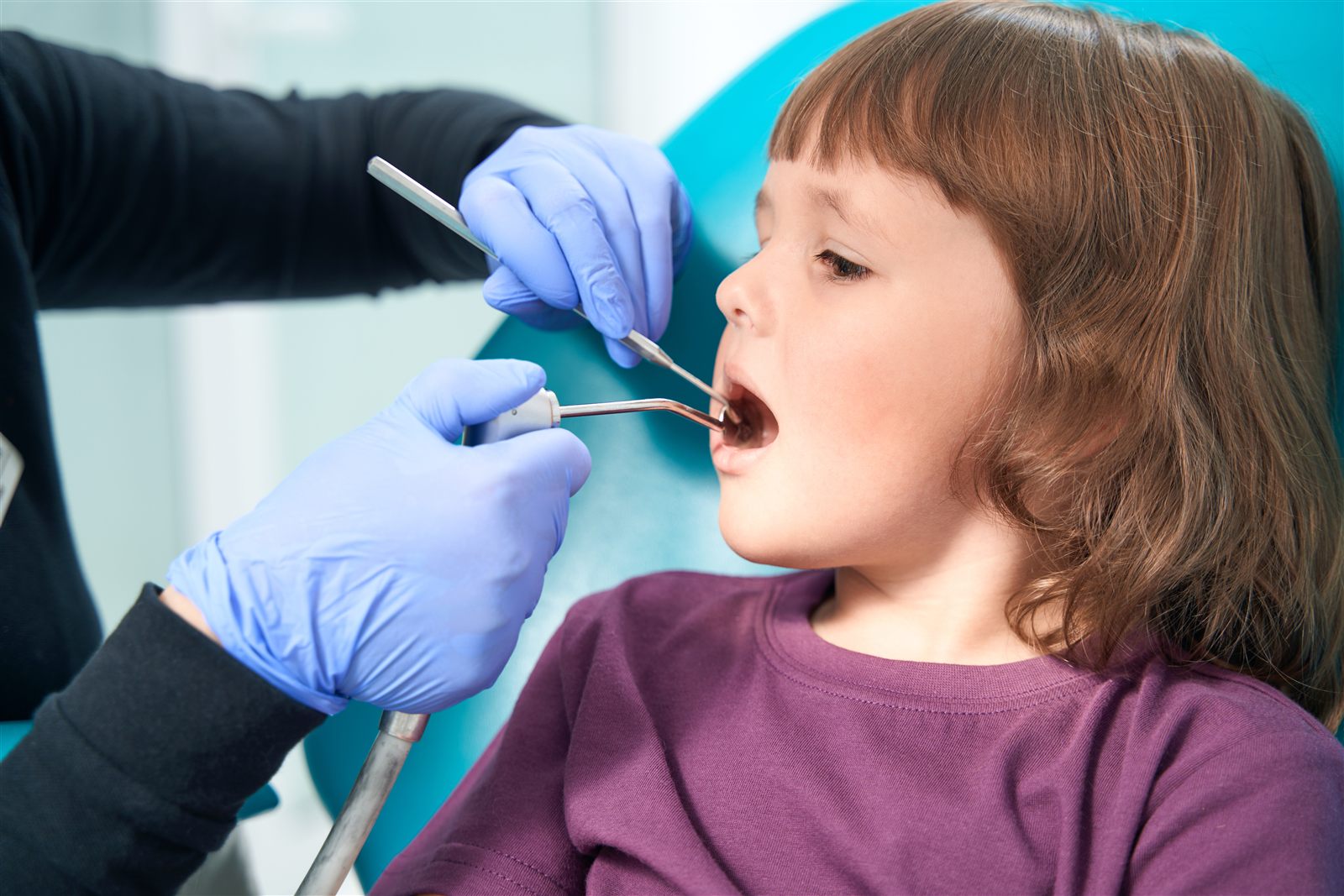
A narrow palate describes an upper jaw or dental arch that may be too narrow in relation to the rest of the bite. You might first notice crowded teeth, a bite that does not seem to fit comfortably, or a concern raised during a dental examination. Those observations are reasons to ask questions, not enough to diagnose a problem yourself.
At Serenity Healthy Smiles in Appleton, airway-focused dental care includes looking at dental development alongside the breathing and sleep concerns a patient reports. An evaluation can help distinguish a bite concern from a problem that also needs medical attention.
What might prompt a narrow palate evaluation?
Dental crowding or a crossbite may lead a dentist to assess the width of the upper jaw. The American Association of Orthodontists explains that a confirmed narrow upper jaw is one reason an orthodontist may recommend a palatal expander. Whether expansion is appropriate depends on the examination and the individual patient.
Instead of comparing your smile with an online photograph, bring specific questions to your visit. Have your teeth become more crowded? Has a dentist mentioned a crossbite? Are you concerned about the way your child’s teeth are coming in? These details give the discussion a useful starting point.
What about breathing and sleep?
If you also notice habitual mouth breathing, snoring or disrupted sleep, mention those concerns. A dental evaluation and a sleep evaluation answer different questions. The shape of the palate alone does not establish whether someone has a sleep-related breathing disorder.
Ask which findings relate to tooth position, which relate to jaw development, and whether a medical referral is appropriate. A useful plan should explain the reason for each recommendation rather than assume one treatment will address every concern.
How do you know whether treatment is needed?
The first step is an examination, not choosing an appliance. Age, growth, bite relationships and the nature of the concern all matter. Ask whether monitoring, dental treatment or assessment by another provider makes sense. An adult should not assume that a treatment designed for a growing child will produce the same changes.
If treatment is recommended, ask what it is intended to change and how progress will be measured. Be clear about whether the goal concerns the bite, the dental arch or another diagnosed problem.
Questions to bring to your appointment
- Is my upper jaw actually narrow, or is this mainly a tooth-position concern?
- What records are needed to understand the bite?
- Would observation or treatment be appropriate at this age?
- Do my breathing or sleep concerns require a separate medical assessment?
What does “narrow” actually describe?
The palate is the roof of the mouth, but an assessment concerns more than its appearance. The clinician considers the upper jaw in relation to the lower jaw and how the teeth meet. Crowding alone does not tell you whether the underlying jaw is too narrow. That is why a photograph or a finger-width test cannot give a reliable answer.
Upper-jaw expansion is one possible orthodontic treatment when a narrow jaw has been confirmed. It is not automatically indicated for every crowded smile. Ask how your age and development affect the available options, and whether referral to an orthodontist is appropriate.
What causes a narrow palate?
There is no useful one-size-fits-all explanation for an individual patient. Discuss developmental history, family patterns, oral habits and any breathing concerns with the examining provider. Avoid claims that one habit always caused the problem or that an exercise can reliably widen the adult jaw. The purpose of an assessment is to replace those assumptions with findings specific to you.
Discuss palate and airway concerns in Appleton
Serenity Healthy Smiles offers airway-focused dental care for children and adults. If you are concerned about a narrow palate, crowding or oral habits, request a consultation with Dr. Dawn Diehnelt. Bring any prior dental records and a list of the changes you have noticed.
Reference: American Association of Orthodontists: Palatal Expanders