
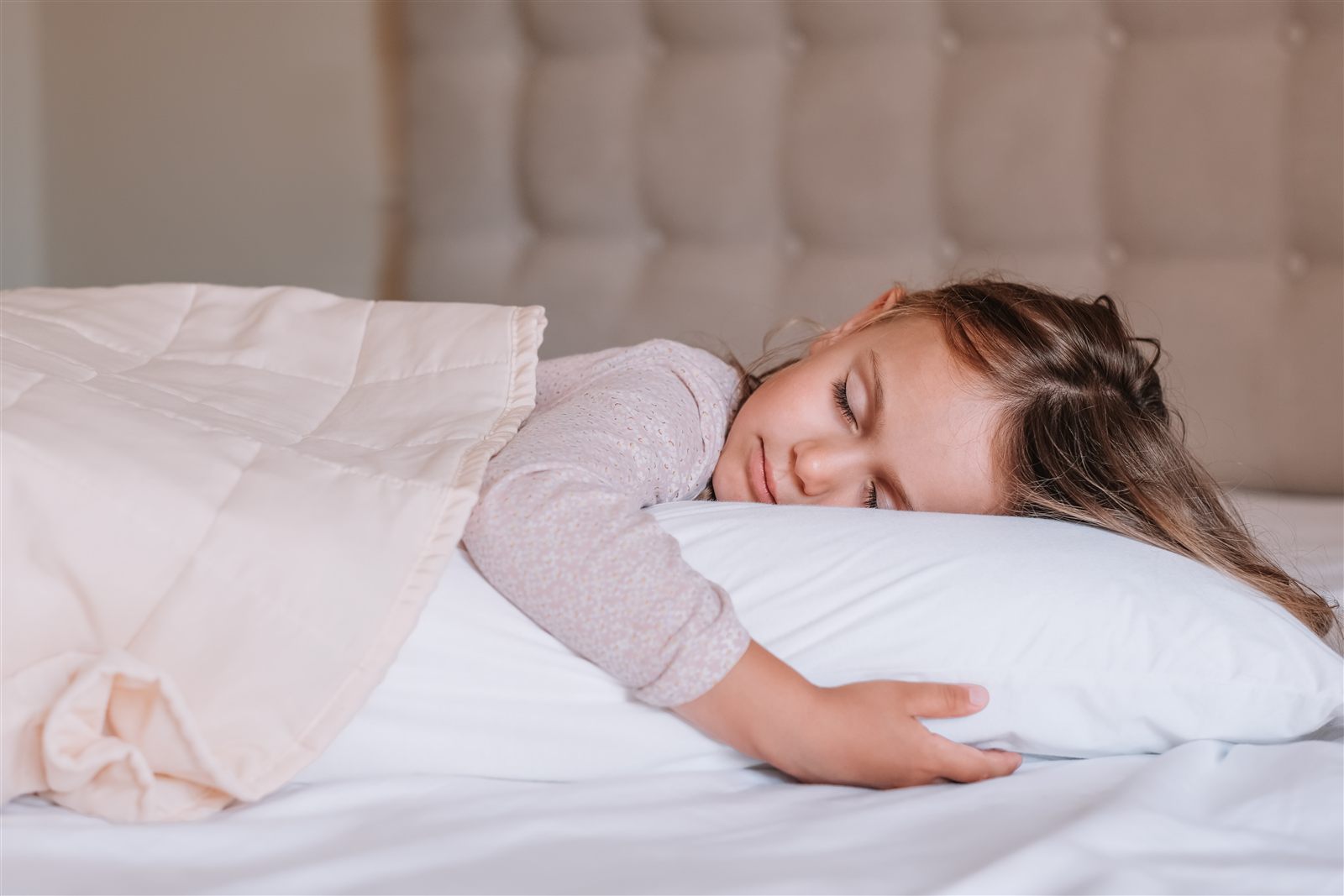
Hearing your child grind their teeth during sleep can be unsettling. The sound alone does not tell you why it is happening or whether treatment is needed. It does give you something specific to discuss with your child’s dental provider.
At Serenity Healthy Smiles in Appleton, parents can bring questions about teeth grinding along with any concerns about oral habits, snoring or sleep. A helpful evaluation begins with the pattern you have noticed, rather than an assumption that every child who grinds has the same problem.
What should you observe?
Make a short note of when you hear the grinding and whether your child mentions discomfort. Tell the dentist if you notice a damaged tooth or your child reports sensitivity or jaw soreness. You do not need to diagnose the cause before arranging a visit.
It can also help to write down other sleep concerns you have already noticed. Does your child regularly snore? Have you seen pauses in breathing or gasping? Share those observations with the child’s medical provider as well as the dentist.
Does teeth grinding mean sleep apnea?
No. Grinding by itself does not establish a sleep apnea diagnosis. The American Academy of Pediatric Dentistry notes that sleep bruxism and sleep-related breathing disorders can occur together, while the relationship between them remains incompletely understood.
This is a reason to take a full history, not a reason to assume airway treatment is always required. If there are concerns about a sleep disorder, a medical assessment can determine whether further testing is appropriate.
How do you stop a child from grinding their teeth?
Start with an evaluation rather than a product. Ask whether there is evidence of tooth damage, whether follow-up monitoring is appropriate and whether other symptoms call for a separate assessment. Recommendations should be based on your child’s findings and stage of development.
Do not assume an adult night guard or a device bought online is suitable for a growing child. Ask the treating dentist whether an appliance is needed and how it would be monitored. If a plan is recommended, make sure you understand what it is intended to protect or improve.
What should you bring to a visit?
- A description of how often you hear the grinding.
- Your child’s reports of discomfort, sensitivity or difficulty chewing.
- Any existing dental appliances and relevant records.
- Questions about snoring, mouth breathing or sleep that you want help discussing.
If snoring is part of the concern, read our existing article on why children snore. That information can help you prepare questions, but it does not replace a medical evaluation.
Why an airway history can be relevant without proving a cause
Grinding is an activity of the jaw muscles during sleep. It should not be treated as a reliable at-home test for an airway problem. When grinding and snoring occur together, clinicians still need to evaluate the reported symptoms rather than assume that one caused the other.
The American Academy of Pediatric Dentistry encourages screening for increased sleep apnea risk and medical referral when indicated. If your child snores and has other concerning sleep symptoms, discuss those observations with the pediatrician. A sleep study may be part of the medical evaluation.
Our articles on mouth breathing in children and signs of sleep-disordered breathing cover related observations to share with your child’s providers.
What would improvement look like?
Ask the dentist which finding needs attention: tooth wear, discomfort, appliance fit or another concern. A follow-up plan should identify what is being monitored and when to return. The goal is not simply to make the nighttime sound disappear at any cost. It is to address the findings that matter for your child’s health and comfort.
Discuss nighttime grinding in Appleton
Request an appointment at Serenity Healthy Smiles to discuss your child’s teeth grinding. Our airway-focused approach considers the dental findings alongside the symptoms you report and whether another provider should be involved.
References: AAPD: Temporomandibular Disorders · AAPD: Obstructive Sleep Apnea Policy