
Sleep-disordered breathing is a broad term for anything that disrupts normal breathing during sleep — from occasional snoring to full obstructive sleep apnea. In children, it's easy to miss because the symptoms rarely look like a breathing problem. They look like a dozen separate, everyday things.
Most parents we talk to didn't come in thinking "airway." They came in because of one symptom on this list, and the rest came up once we started asking questions.
Common Signs of Sleep-Disordered Breathing
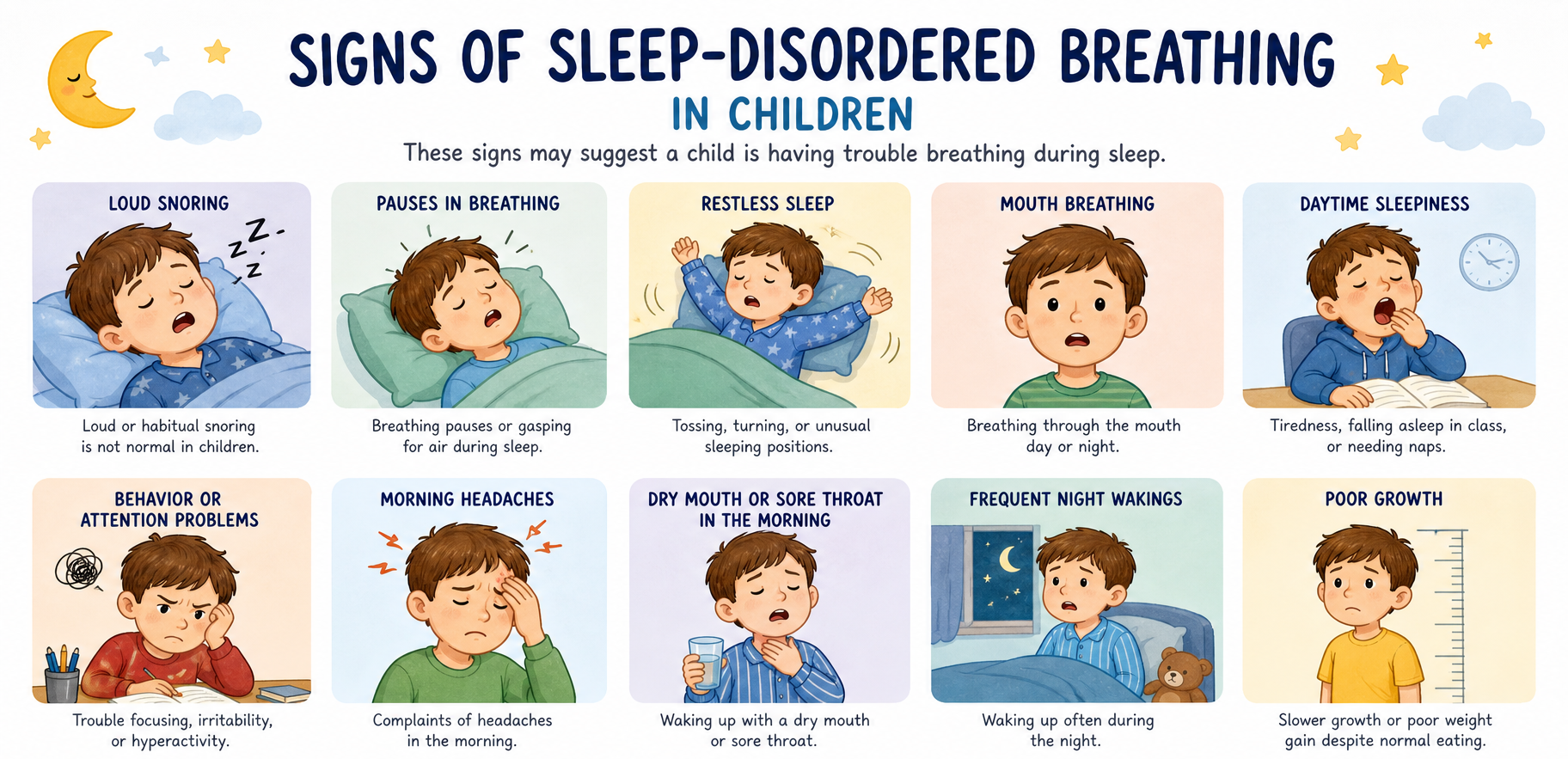
No single sign confirms sleep-disordered breathing on its own. But when several of these show up together, it's worth a closer look:
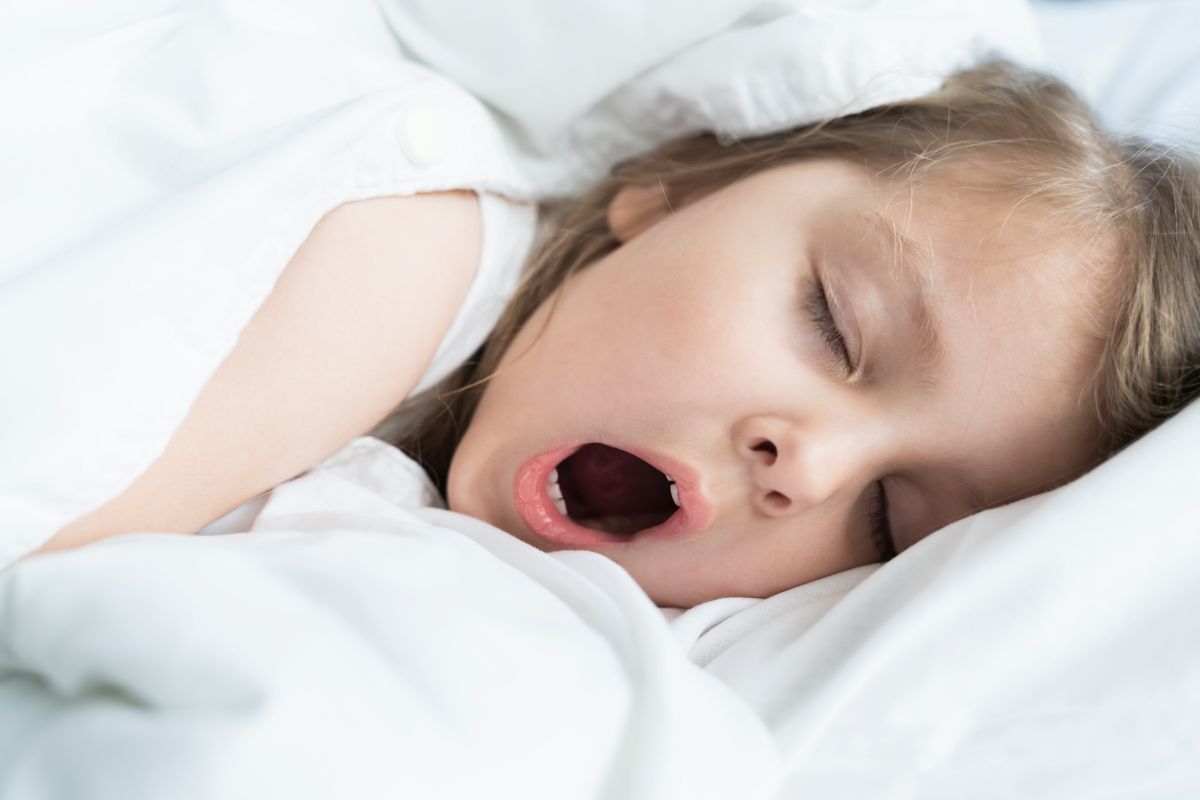
- Snoring, gasping, or pauses in breathing during sleep
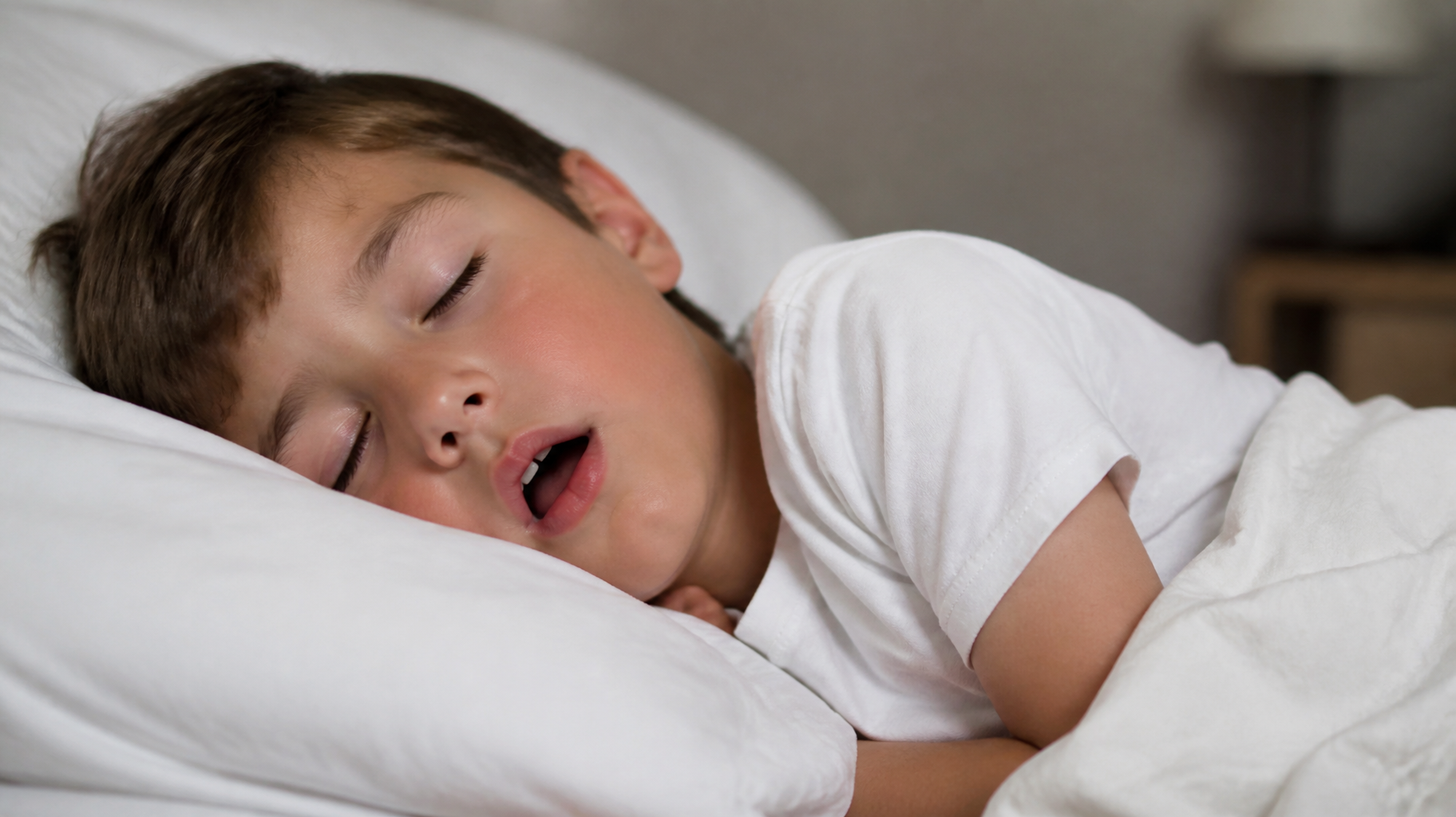
- Mouth breathing, during sleep or throughout the day
- Restless sleep, frequent waking, or nightmares
- Bedwetting
- Crooked or crowded teeth
- Trouble concentrating or memory issues during the day
- Behavior that gets labeled as ADHD, but doesn't fully fit the picture
- Asthma, allergies, or eczema that seem to flare alongside poor sleep
"Parents rarely bring us a breathing problem. They bring us bedwetting, or crooked teeth, or a hard time at school. The breathing is what connects them."
Dr. Dawn DiehneltWhy These Symptoms Are So Easy to Miss
Each of these symptoms has its own specialist and its own explanation. A pediatrician looks at bedwetting. A teacher flags concentration. An allergist manages eczema and asthma. An orthodontist eventually sees the crowded teeth. Nobody's wrong to look at their piece — but when sleep and breathing are the common thread running underneath all of them, treating each symptom separately can miss the actual cause.
This is exactly the kind of pattern we look for in an airway-focused evaluation: not one symptom in isolation, but how several of them line up around sleep and breathing.
Sleep quality affects the whole body, not just energy levels.
Poor sleep affects immune regulation, hormone release, growth, and how well the brain processes and stores information during the day. When breathing is disrupted at night, it's rarely just one system that's affected.
Two of the Most Common Root Causes
Two specific issues show up again and again behind sleep-disordered breathing in children:
- Tongue-tie, which restricts tongue posture and encourages mouth breathing
- Underdeveloped jaws and narrow palates, which physically limit airway space
Snoring and mouth breathing are usually the most visible clues pointing back to one or both of these.
Recognizing more than one of these signs in your child?
Schedule a ConsultationWhy a Whole-Body Approach Matters
We don't evaluate sleep and breathing as one more item on a checklist. It's the foundation of our holistic dentistry approach — looking at how oral function, growth, and overall health connect.
How We Help
- A full airway, oral function, and sleep-pattern evaluation
- Myofunctional therapy to address tongue posture and breathing habits
- Myobrace to guide healthy jaw and palate development
- Coordination with pediatricians, ENTs, or sleep physicians when further testing is needed
When Should You Get Your Child Evaluated?
If your child shows two or more of the signs above, especially alongside snoring or mouth breathing, it's worth having their airway and sleep evaluated as a whole picture — not one symptom at a time.
The symptoms are scattered. The cause often isn't.