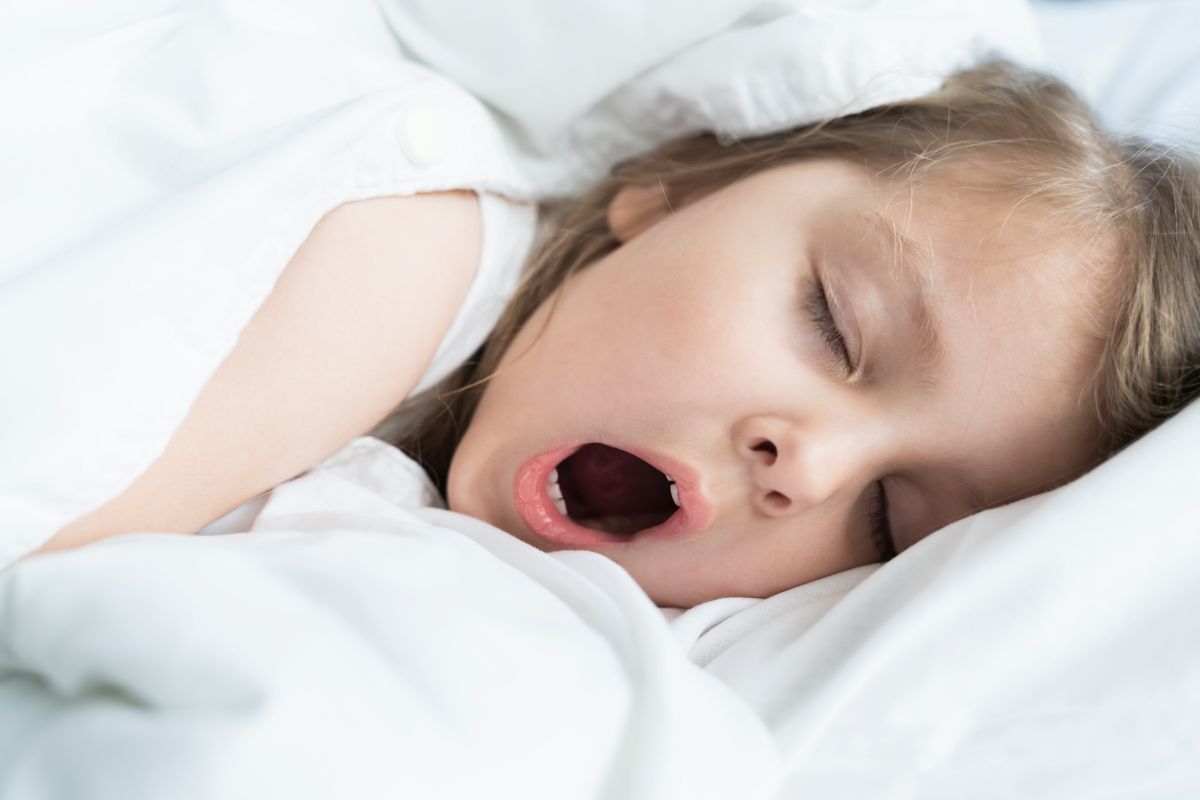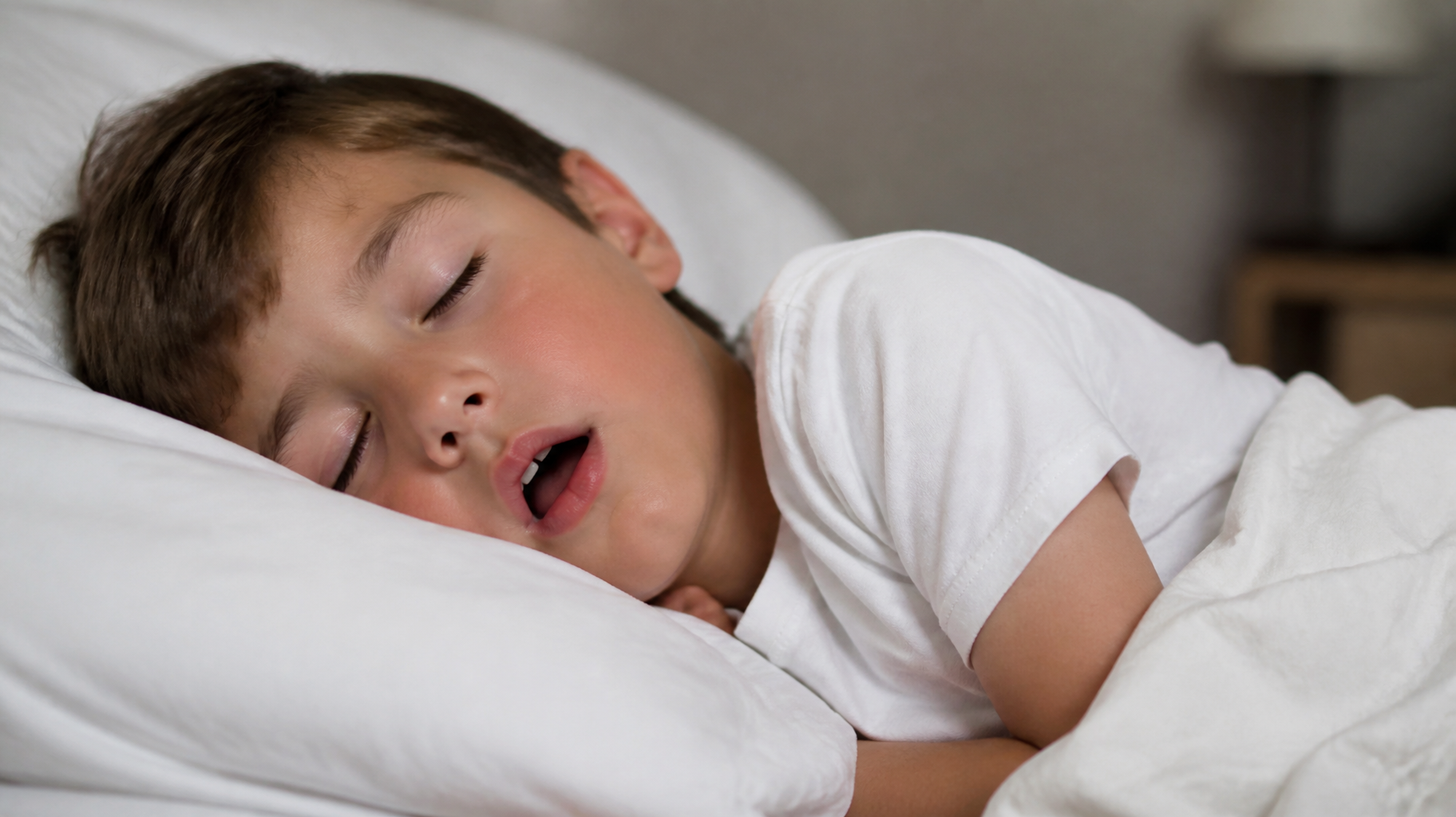

Mouth breathing in children is easy to miss because it looks like nothing at all. Watch a child at rest — not eating, not talking, just sitting or sleeping — and you'll usually be able to tell in a few seconds whether they're a nose breather or a mouth breather. It seems like a small detail. It isn't.
The mouth was never meant to be the primary airway. The nose filters, warms, and humidifies air, and nasal breathing helps the tongue rest where it should — against the roof of the mouth. When a child breathes through their mouth instead, both of those jobs get skipped, and the effects build up slowly over years of growth.
Common Causes of Mouth Breathing in Children
Mouth breathing in children is usually a workaround, not a habit picked at random. Common causes include:
- Nasal congestion or chronic allergies
- Enlarged tonsils or adenoids blocking nasal airflow
- A narrow palate that limits nasal breathing capacity
- Tongue-tie or low tongue posture
- Habit that persists even after the original cause resolves
"Mouth breathing isn't a bad habit to break. It's usually the body's workaround for something else — and the workaround has consequences of its own."
Dr. Dawn DiehneltHow Mouth Breathing in Children Affects Facial Growth
Children's faces are still growing, and how they breathe directly shapes that growth. When the mouth stays open and the tongue drops away from the palate, the upper jaw doesn't get the gentle daily pressure it needs to widen properly. Over time, this can lead to:
- A narrower, more V-shaped palate instead of a broad U-shape
- Crowded or crooked teeth as they erupt
- A longer, flatter facial profile
- Reduced airway space, which can make breathing and sleep harder as the child grows
Evaluating mouth breathing in children is a core part of every airway orthodontics evaluation — not just how the teeth are lining up, but how the whole face is developing around the airway.
Growth doesn't pause to wait for treatment.
The years when a child's palate and jaw are actively developing are also the years when mouth-breathing patterns do the most lasting damage. Catching it earlier gives the face more room to develop the way it's meant to.
Other Signs That Often Accompany Mouth Breathing in Children
- Snoring or restless sleep
- Dark circles or puffiness under the eyes
- Dry lips and mouth, especially in the morning
- Bedwetting
- Trouble concentrating during the day
Noticing your child breathing through their mouth at rest or asleep?
Schedule a ConsultationWhy a Whole-Body Approach to Mouth Breathing in Children Matters
Mouth breathing touches sleep, growth, and behavior all at once, which is why we don't treat it as an isolated habit. It's part of the same holistic dentistry lens we bring to every evaluation.
How We Help Treat Mouth Breathing in Children
- A full airway, palate, and tongue posture evaluation
- Myofunctional therapy to retrain nasal breathing and tongue posture
- Myobrace to guide healthy palate and jaw development
- Coordination with an ENT or allergist when congestion or tonsils are contributing
When Should You Get Your Child Evaluated?
If your child regularly breathes through their mouth while resting or asleep, it's worth having their airway and facial development evaluated — the sooner mouth breathing in children is caught, the more room there is to guide healthy growth.
An open mouth is easy to overlook. What it's shaping isn't.